Games

dsc 0027 edit

Lakhoti

Lakhoti is a traditional Indian outdoor game, popular among children in rural areas. It is often played in open spaces using a small flat stone, also called lakhoti, which players throw to hit other stones or targets. The main objective is to accurately strike the opponent’s stones or remove them from a marked area. Players take turns and must carefully aim to maximize their points while avoiding mistakes. Lakhoti develops hand-eye coordination, precision, and focus in children. It is usually played in groups, promoting teamwork, patience, and competitive spirit. The game requires minimal equipment, making it accessible and easy to play anywhere. Lakhoti has been a part of traditional childhood games, passed down from generation to generation. It encourages outdoor activity, agility, and strategic thinking. Even today, the game continues to be enjoyed in villages and during school playground activities, keeping the heritage alive. Highlights
Lakhoti Read More »

images (13)

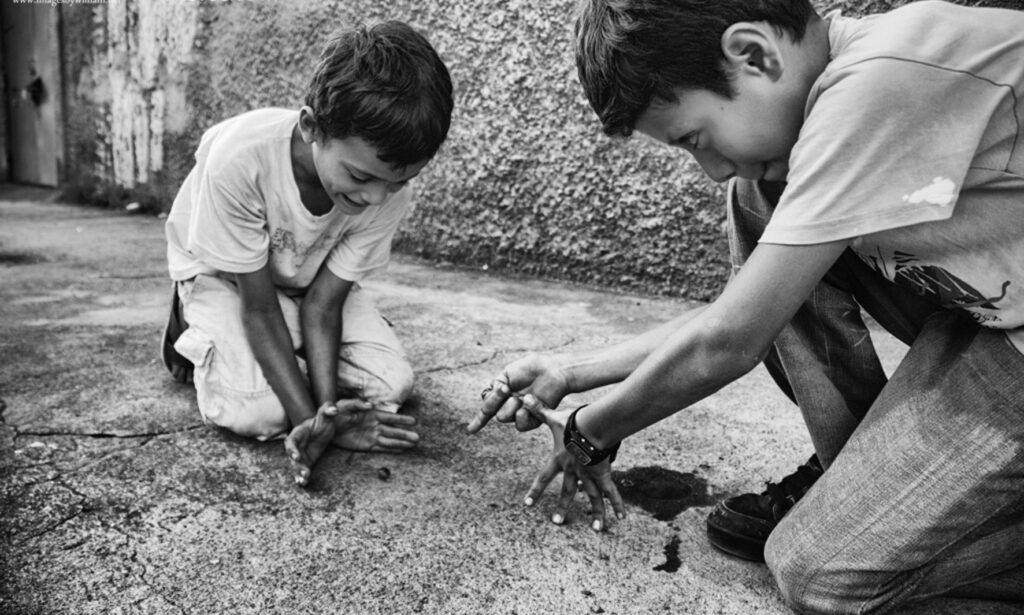
Nondi

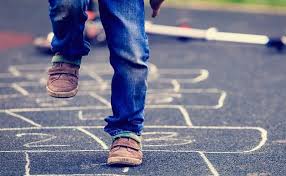
Nondi, also known as Hopscotch in English, is a traditional South Indian outdoor game loved by children for generations. It is usually played on the ground by drawing numbered boxes with chalk or charcoal. The player throws a small stone or shell into the first box and hops through the pattern on one leg without losing balance. Each round becomes more challenging as the player moves to higher-numbered boxes. Nondi improves balance, concentration, and body coordination while keeping the game simple and fun. It encourages kids to play outdoors, move freely, and develop physical fitness. The game is often played in schools, streets, and community spaces, making it a common part of childhood memories. Nondi also teaches patience, precision, and control as players must hop carefully without stepping on the lines. Even today, it remains a joyful cultural game that connects children with traditional play. Its simplicity and active nature keep it alive across villages and cities alike. Highlights

Nondi Read More »

kabaddi ladies

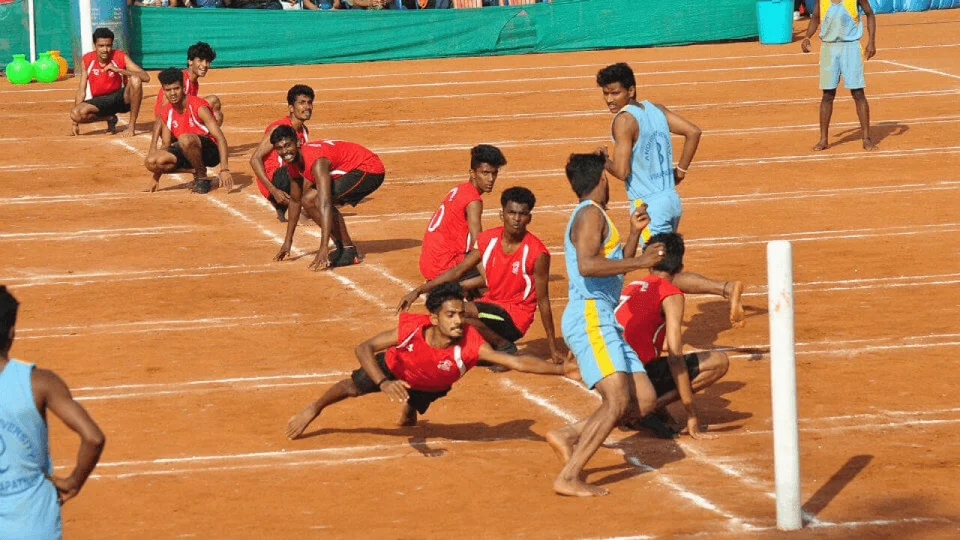
Kabaddi

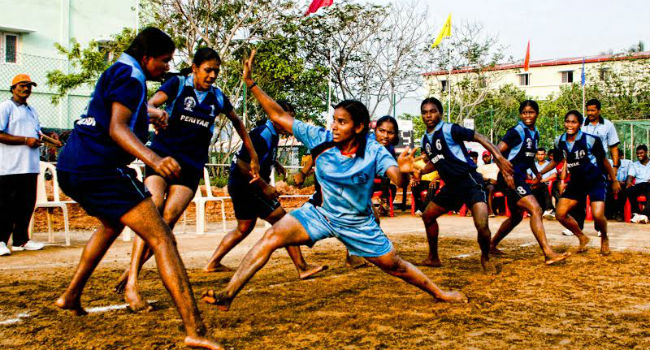
Kabaddi is a popular contact sport that originated in ancient India and is now played across Asia and around the world. The game involves two teams, where a “raider” enters the opponent’s half to tag players while continuously chanting “Kabaddi, Kabaddi.” The challenge for the raider is to tag as many opponents as possible and return to their side without being caught or losing breath. Defenders work together to block, tackle, and stop the raider using strength and strategy. Kabaddi requires a combination of speed, stamina, reflexes, and mental sharpness. It promotes teamwork, coordination, and quick decision-making on the field. Traditionally played in rural areas, it has now grown into a professional sport with leagues like the Pro Kabaddi League. The game reflects India’s rich sporting culture and physical training traditions. It is also commonly played in schools and villages, keeping the spirit of fitness and fun alive. Kabaddi remains a symbol of strength, unity, and competitive spirit in Indian sports. Highlights

Kabaddi Read More »

61qwhjnkigl. ac uf1000,1000 ql80

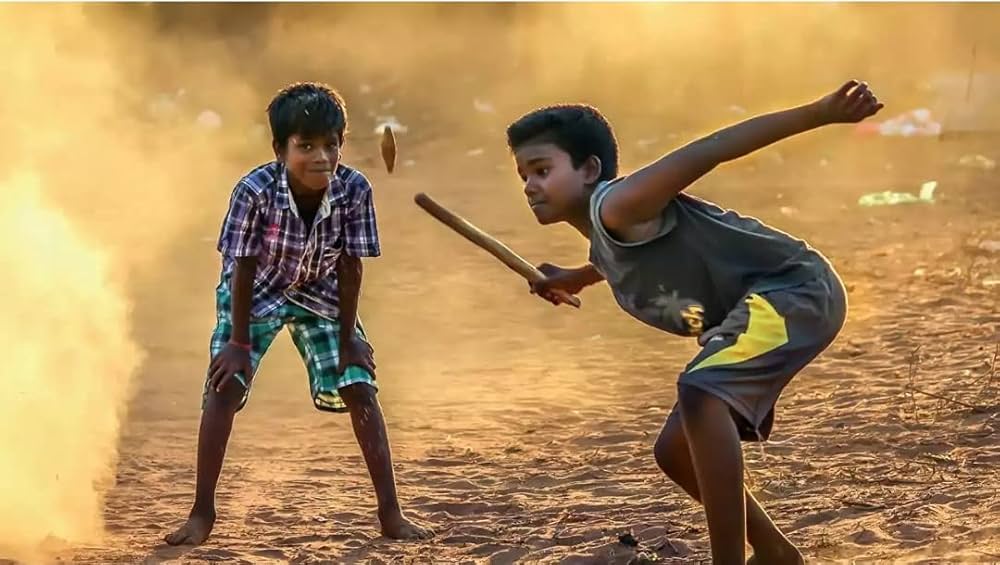
Gilli Danda

Gilli Danda is a traditional Indian outdoor game played with two wooden sticks: a long stick called the danda and a short one called the gilli. The game is often compared to cricket and baseball, as it involves hitting and striking techniques. Children in rural areas have enjoyed Gilli Danda for centuries, making it one of the oldest folk games in India. The goal is to flick the gilli into the air using the danda and then hit it as far as possible. Players measure distance using their danda or predetermined steps to score points. The game builds hand-eye coordination, reflexes, and physical strength. Traditionally played in open fields, it requires no equipment other than sticks found locally. Gilli Danda is not just a game but a symbol of rural childhood, teamwork, and energetic play. It brings friends together and teaches balance, timing, and quick movement. Even today, it continues to be played in villages and cultural events, preserving the charm of India’s rural sports heritage. Highlights

Gilli Danda Read More »

kho 4

kho kho

Kho Kho is a traditional Indian tag sport played between two teams, usually on a rectangular field. One team sits in a row in the centre of the field, while the other team’s players run and try to avoid being touched by the chasers. The game involves speed, agility, and quick reflexes, making it a physically demanding and exciting sport. Players must use strategy to tag opponents while coordinating with teammates to block escape paths. Kho Kho promotes teamwork, endurance, and mental alertness. Traditionally played in schools, villages, and during festivals, it has been a part of India’s sporting culture for centuries. The game is played with minimal equipment, making it accessible and popular in rural areas. Kho Kho teaches discipline, planning, and strategic movement on the field. Over the years, it has grown into a professional sport with national and state-level competitions. Its fast-paced action and cultural significance make Kho Kho an enduring and beloved Indian game. Highlights

kho kho Read More »

img 7924

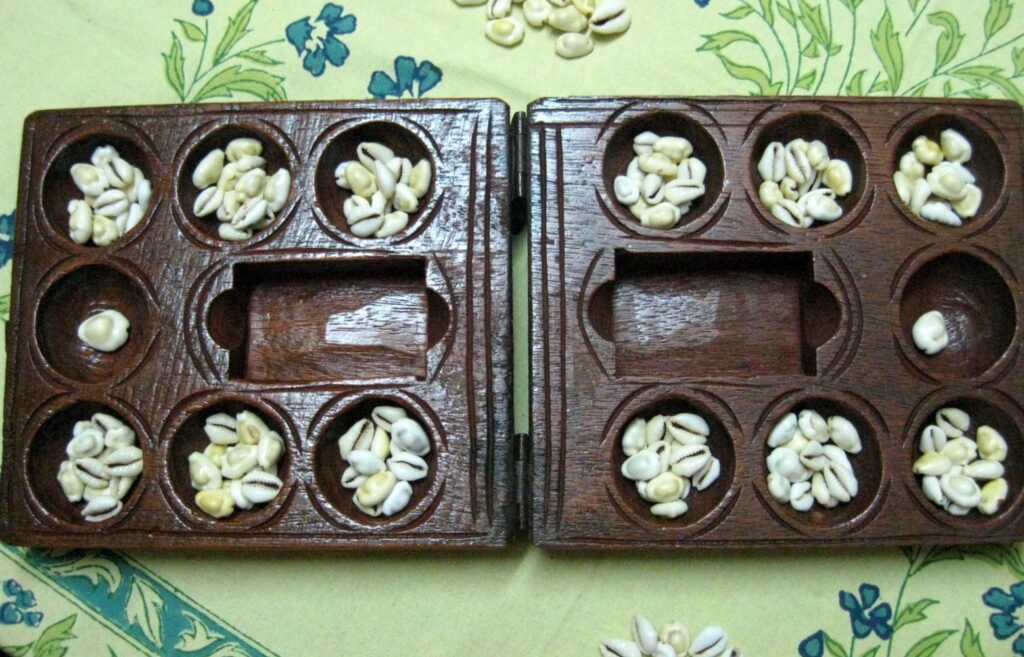
Pallanguzhi

Pallanguzhi is a traditional South Indian board game played using a wooden board with fourteen small pits. It is especially popular in Tamil Nadu, where it has been enjoyed for generations by children and elders alike. The game is usually played with small shells, stones, or tamarind seeds, making it a simple yet deeply engaging pastime. Pallanguzhi strengthens arithmetic skills, quick thinking, and memory through its counting-based gameplay. Traditionally, it was played during festivals and family gatherings, bringing communities together. The game reflects the cultural richness of ancient Tamil society and its love for strategy and intelligence. It is often played by women during leisure time, symbolizing bonding and relaxation. Pallanguzhi also teaches planning, patience, and decision-making as players choose moves carefully. Today, the game is still seen in homes, schools, and cultural events, keeping tradition alive. Its blend of fun, logic, and heritage makes Pallanguzhi a beloved part of South Indian culture. Highlights

Pallanguzhi Read More »